“Want to participate in real world research that directly impacts people and policy?
Consider a CODE internship. CODE research interns will work with a team of expert supervisors. You will learn many useful and transferrable research skills including information management, study design and administration, database management, data entry and cleaning, data analysis and synthesis and report drafting. The applicant will also develop skills in preparing a manuscript for publication in a peer-reviewed journal. The successful applicant who contributes well will be rewarded with co-authorship on any resulting publications. There may be opportunities to develop and extend intern projects into further projects suitable for honours, capstone projects, or research degree work. Preference will be given to applicants who contact CODE to discuss the role in advance of application.
Options also available to join the CODE team as part of MD projects, honours projects or electives.
Email: code.admin@sydney.edu.au
“I thought that the team at CODE (Centre for Collaborative Organ Donation Evidence) were just fantastic. They did a great job at supporting me grow my generic research skills, challenge me with new skills,
and support me in presenting at conferences and ultimately produce work of publishable quality.” – MD student feedback
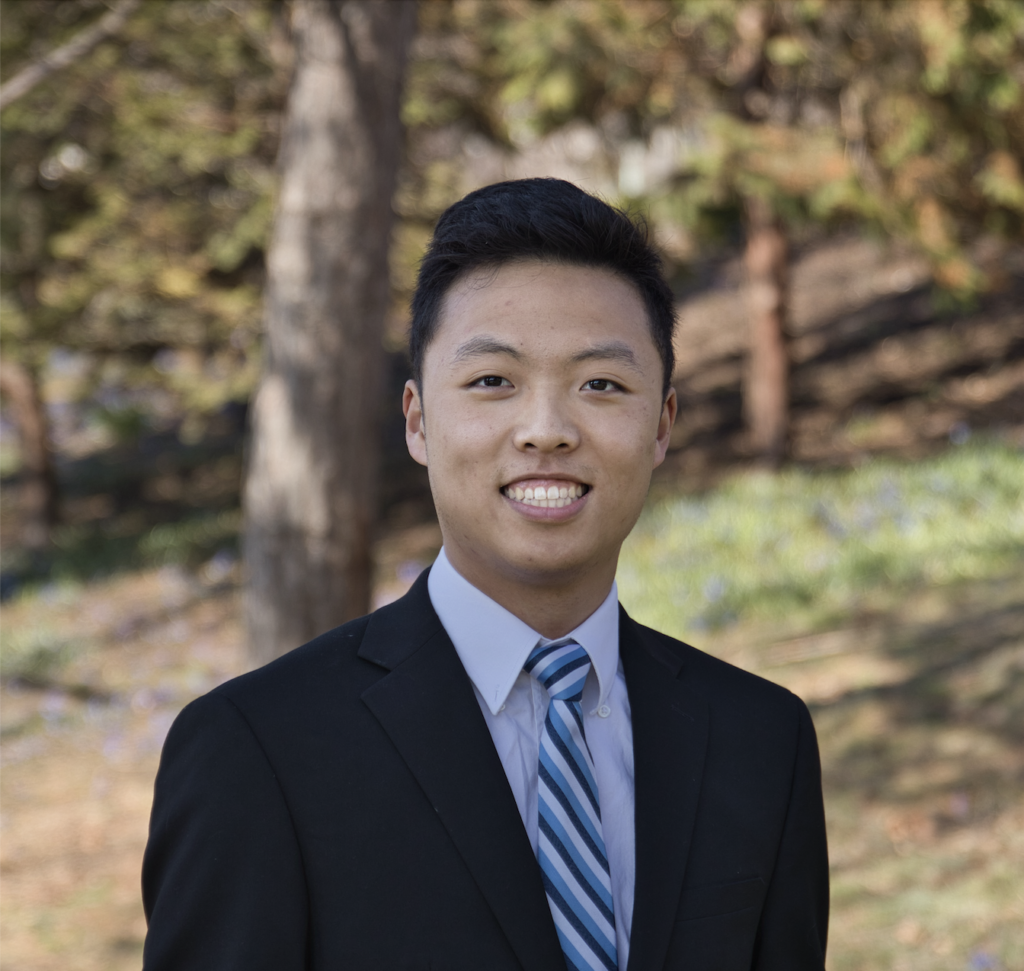
Fred Lee is currently undertaking his MSc in Global Health Science & Epidemiology at the University of Oxford before beginning medical school. He was born in Taiwan, grew up in California, and completed his undergraduate degree Case Western Reserve University in Statistics and International Studies (concentrating in global health). Fred enjoys hiking, traveling, and learning different languages and cultures in his free time.
“For students wishing to make a difference through their research, I wholeheartedly recommend working alongside and learning from the CODE team.
At CODE, I was welcomed by a team of diverse and supportive researchers, ranging from senior academics to students, who shared my passions for improving health by informing evidence-based clinical practice through robust evidence from rigorous research.
Ample guidance and generous mentorship along the autonomy bestowed upon me allowed me to further develop my scientific critical thinking and grow as a researcher.
CODE gave me the opportunity to not only contribute to impactful research, but meet and learn from established researchers with diverse expertise, including medicine, biostatistics, policy, and epidemiology.“